
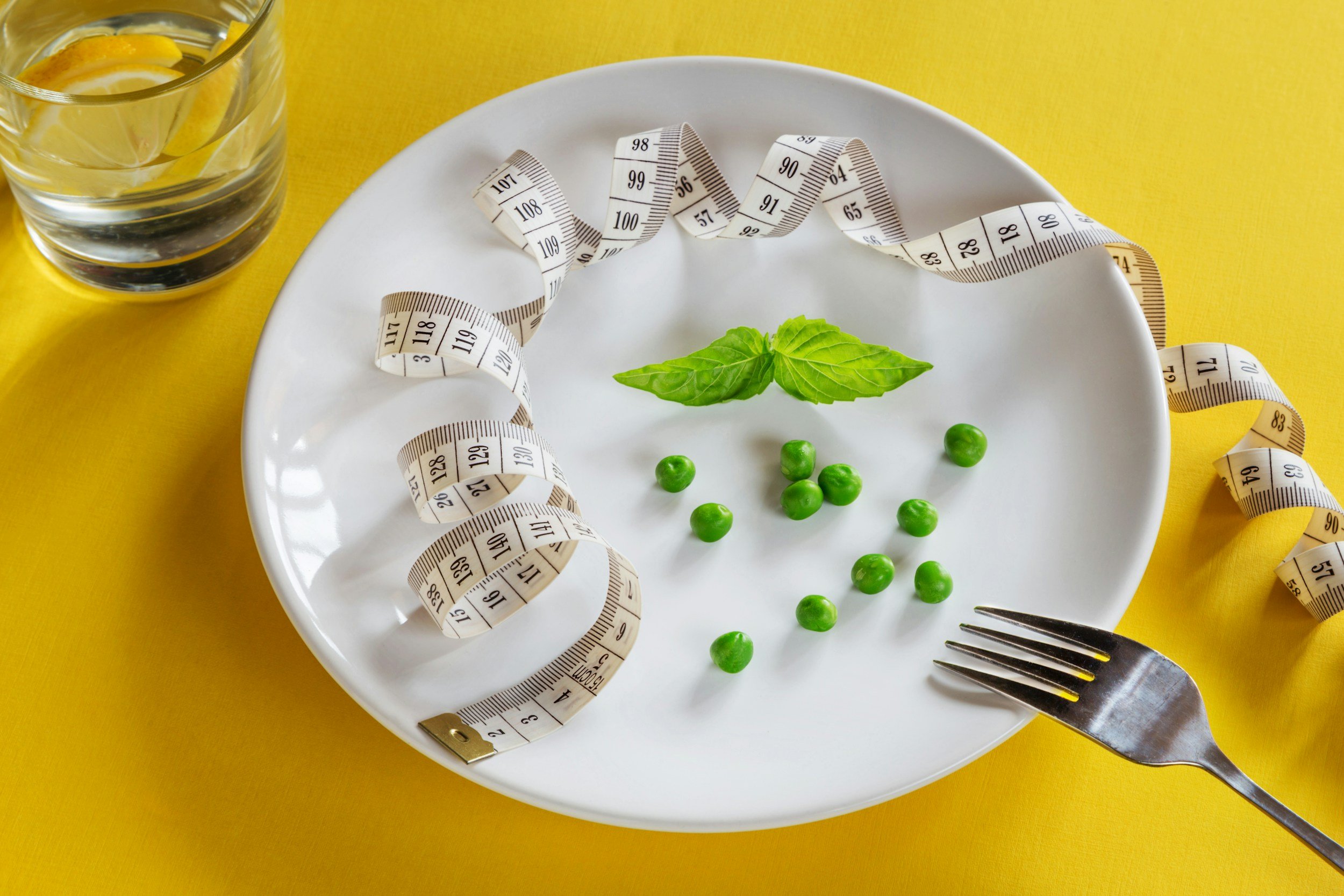
Hormones & Fat Loss: What Every Woman Over 35 Needs to Know
Hormones & Fat Loss: What Every Woman Over 30 Needs to Know
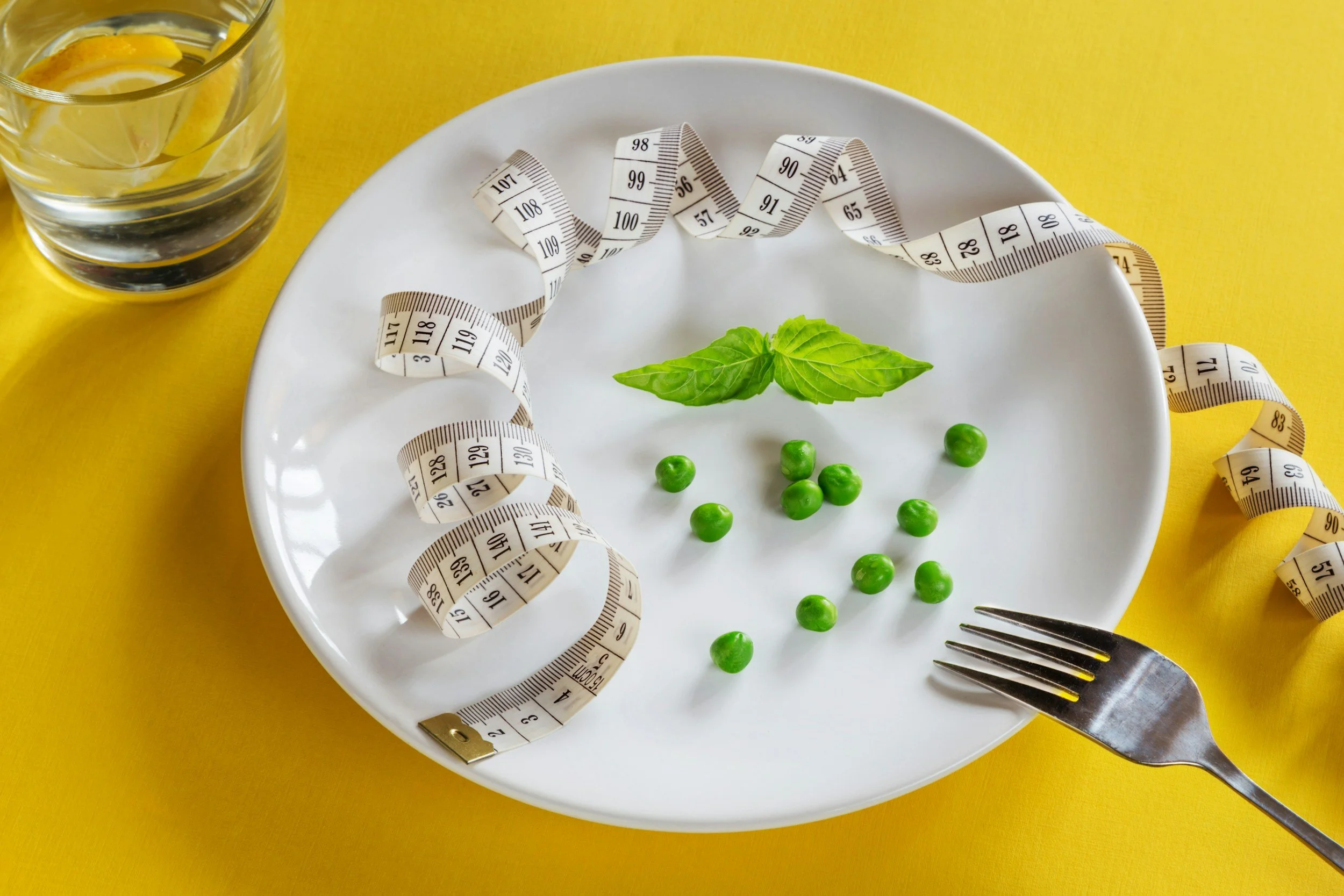
“I’m Doing Everything Right — So Why Isn’t the Weight Coming Off?”
If you are in your late 30s and noticed that the same diet and workout routine that used to work suddenly doesn’t, you’re not imagining it.
Your hormones are changing and that shift affects how your body burns fat, builds muscle, and even how hungry you feel.
The good news? Once you understand how your hormones work, you can work with your body instead of fighting against it.
Let’s break down what’s really happening and how to get your hormones (and fat loss) back on your side.
1. The Hormonal Shifts That Start in Your 30s
Your 20s were all about balance. As you navigate through your 30s and get closer to your 40s several key hormones begin to fluctuate even if you don’t feel it right away.
Here are the big ones that influence fat loss:
Estrogen: Starts to dip gradually, which can slow metabolism and change where your body stores fat (hello, hips and belly).
Progesterone: Also decreases, leading to bloating, water retention, and mood swings.
Cortisol: The “stress hormone” often increases, making fat loss harder, especially around the midsection.
Insulin: Your cells may become slightly more resistant, making your body store more sugar as fat.
Thyroid hormones: If they slow down, energy drops and metabolism takes a hit.
Bottom line: Hormonal changes aren’t the end of your fat-loss journey, but they do mean you need a smarter, more personalized approach.
2. Why Hormones Make Fat Loss Harder — But Not Impossible
Hormones influence:
Appetite: Ghrelin and leptin control hunger and fullness signals.
Energy levels: Low estrogen or thyroid function = low motivation to move.
Muscle preservation: Without strength training and enough protein, you lose muscle faster — and burn fewer calories.
That’s why many women feel like they’re “doing everything right” but not seeing results. The strategy has to evolve with your body.
3. Nutrition That Supports Hormonal Balance and Fat Loss
You can’t “fix” hormones with fad diets — but you can support them through nutrition.
Focus on:
Protein at every meal – stabilizes blood sugar and reduces cravings.
Healthy fats (omega-3s, olive oil, avocado) – support hormone production.
High-fiber carbs (quinoa, oats, veggies) – balance insulin and digestion.
Hydration – even mild dehydration can raise cortisol.
Limit:
Processed sugar (spikes insulin + cortisol)
Alcohol (disrupts estrogen + sleep)
Extreme calorie restriction (kills metabolism and hormones)
Consistency > perfection.
4. Exercise That Works With Your Hormones, Not Against Them
The best workouts for women over 35 are hormone-friendly.
Strength training 3–4x per week → builds muscle, boosts metabolism, and supports estrogen balance. Low-impact cardio (walking, cycling) → reduces cortisol and supports recovery.
HIIT in moderation → great for fat burn, but too much can raise stress hormones.
Pro tip: Notice your energy patterns during your cycle — some women feel stronger mid-cycle (ovulation), others before their period. Adjust intensity accordingly.
5. Sleep, Stress & Hormones: The Fat-Loss Trifecta
If you’re sleeping poorly or living in constant stress, no diet will work long term.
When you don’t rest enough:
Cortisol spikes (fat storage ↑)
Hunger hormones go haywire
Recovery slows
Make recovery part of your plan:
7–8 hours of sleep per night
Yoga, journaling, or deep breathing for stress
One full rest day weekly
Remember: rest is productive when your goal is fat loss.
6. When to Get Hormone Levels Checked
If you’re struggling with stubborn fat, mood swings, or fatigue even with a healthy lifestyle, ask your doctor about testing:
Estrogen, progesterone, and testosterone
Thyroid panel (TSH, T3, T4)
Fasting insulin and cortisol
Sometimes, a medical imbalance is the missing piece of the puzzle and knowledge is power.
Final Takeaway: You’re Not Broken — You’re Just Changing
Your body at 35+ isn’t fighting you — it’s asking you to listen differently.
When you balance your hormones through strength, smart nutrition, and self-care, fat loss becomes natural again.
You’ll not only see the scale move, you’ll feel stronger, calmer, and more in control than ever.
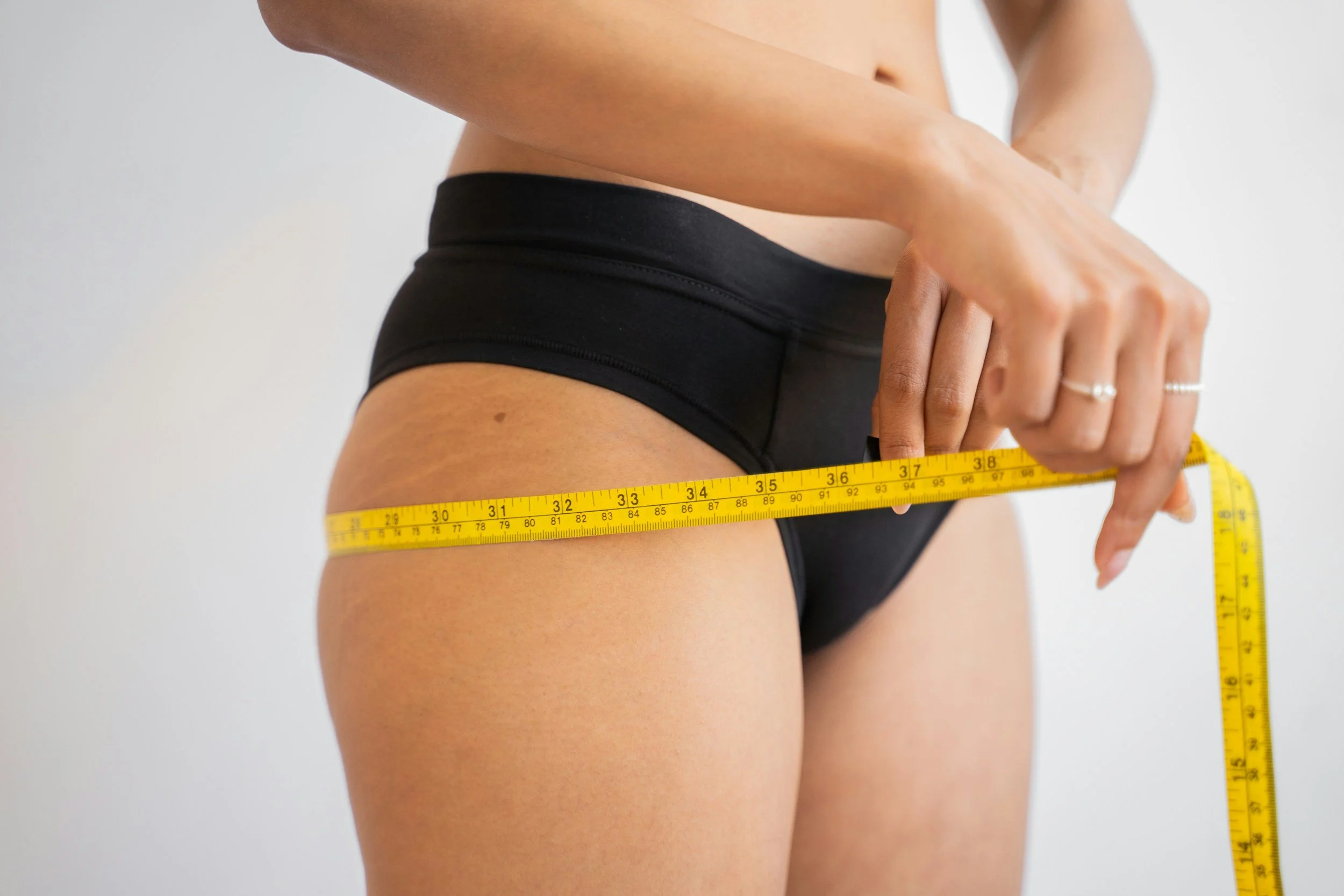
Realistic Weight Loss Goals After 35: How to Lose Fat Without Losing Muscle
Realistic Weight Loss Goals After 30: How to Lose Fat Without Losing Muscle
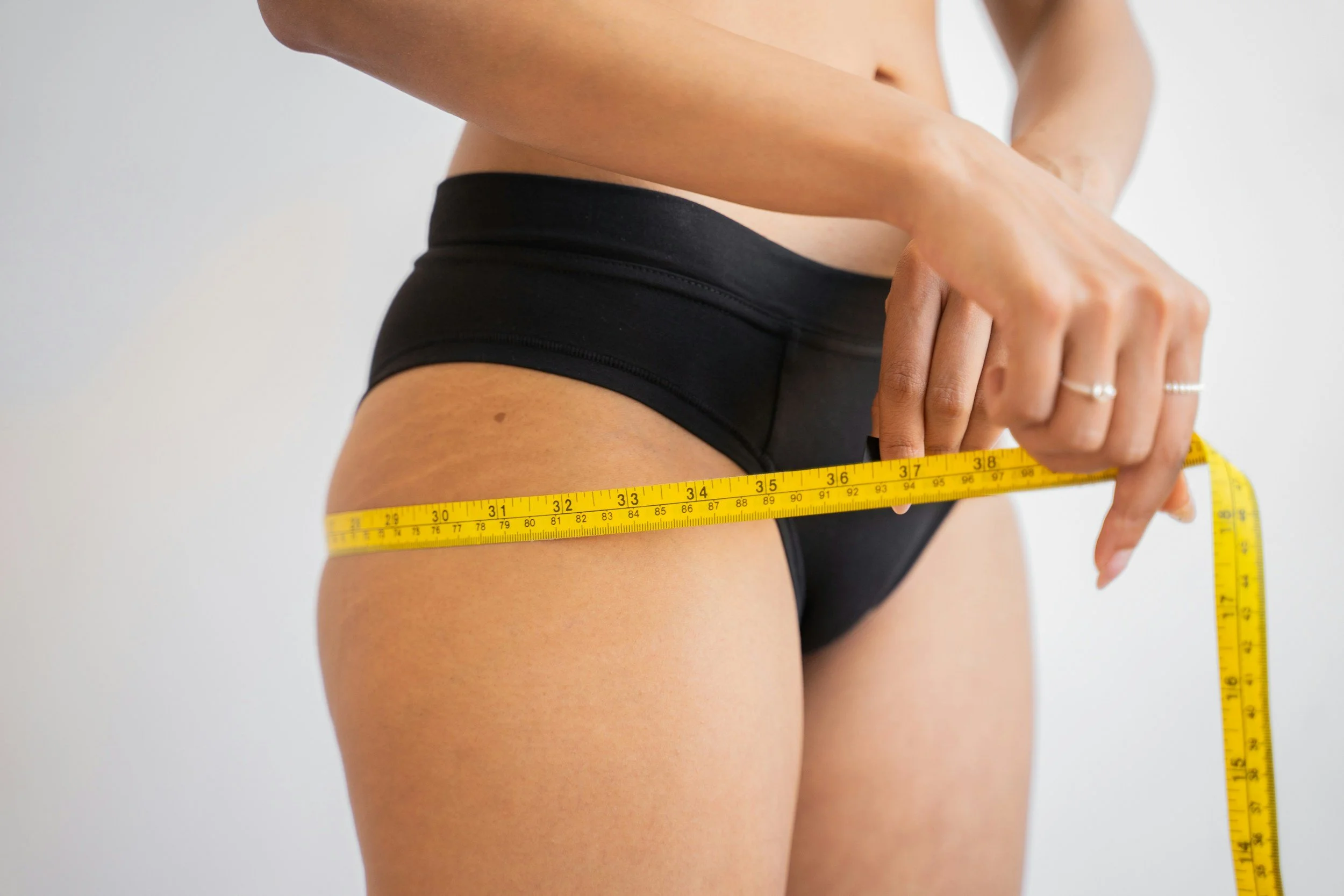
Why “Just Losing Weight” Isn’t the Goal Anymore
After 35, many women find that traditional weight-loss methods (endless cardio, low calories, and “clean eating”) stop working.
That’s because the goal isn’t just weight loss anymore. It’s body recomposition, which means losing fat while preserving and building lean muscle.
Here’s how to finally reach your goals without feeling hungry, weak, or burned out.
1. Understand Body Recomposition
Weight loss ≠ fat loss.
If you lose muscle while dieting, your metabolism slows, and you’ll gain weight back faster.
Body recomposition means losing fat and gaining or maintaining muscle simultaneously.
The scale might not change much, but your shape, strength, and energy will transform.
2. Find Your Maintenance and Create a Smart Deficit
To lose fat, you need a small calorie deficit, but not starvation.
Use a TDEE calculator to find maintenance calories.
Subtract ~300–500 calories per day for slow, steady fat loss.
This ensures your body has enough energy to fuel workouts and muscle repair.
3. Prioritize Protein (It’s Non-Negotiable)
Protein protects muscle during weight loss.
Aim for 0.8–1g per pound of body weight daily, even more if you are pretty active!.
Easy ways to hit your target:
Greek yogurt or protein smoothies for breakfast
Chicken, salmon, or tofu for lunch
Protein snacks (cottage cheese, jerky, protein bars)
4. Strength Train 3–4 Times Per Week
Resistance training tells your body to keep muscle while burning fat.
Focus on compound moves: squats, lunges, rows, presses, and deadlifts.
Add small progressive increases in weight each week to keep improving.
Pro tip: Don’t fear lifting heavier — it’s the secret to tone and definition.
5. Manage Stress and Sleep
Cortisol (the stress hormone) can slow fat loss and increase cravings.
Try:
Getting 7–8 hours of quality sleep.
Short walks or yoga for active recovery.
Taking rest days, your muscles grow when you rest.
6. Track More Than the Scale
Measure waist, hips, and strength gains instead of obsessing over pounds.
A woman can lose 5 lbs of fat and gain 3 lbs of muscle and that’s a huge visual change, even if the scale barely moves.
Final Takeaway
Losing fat while keeping muscle is possible and it’s the smartest way to reshape your body after 30.
Fuel well, lift consistently, and give your body time.
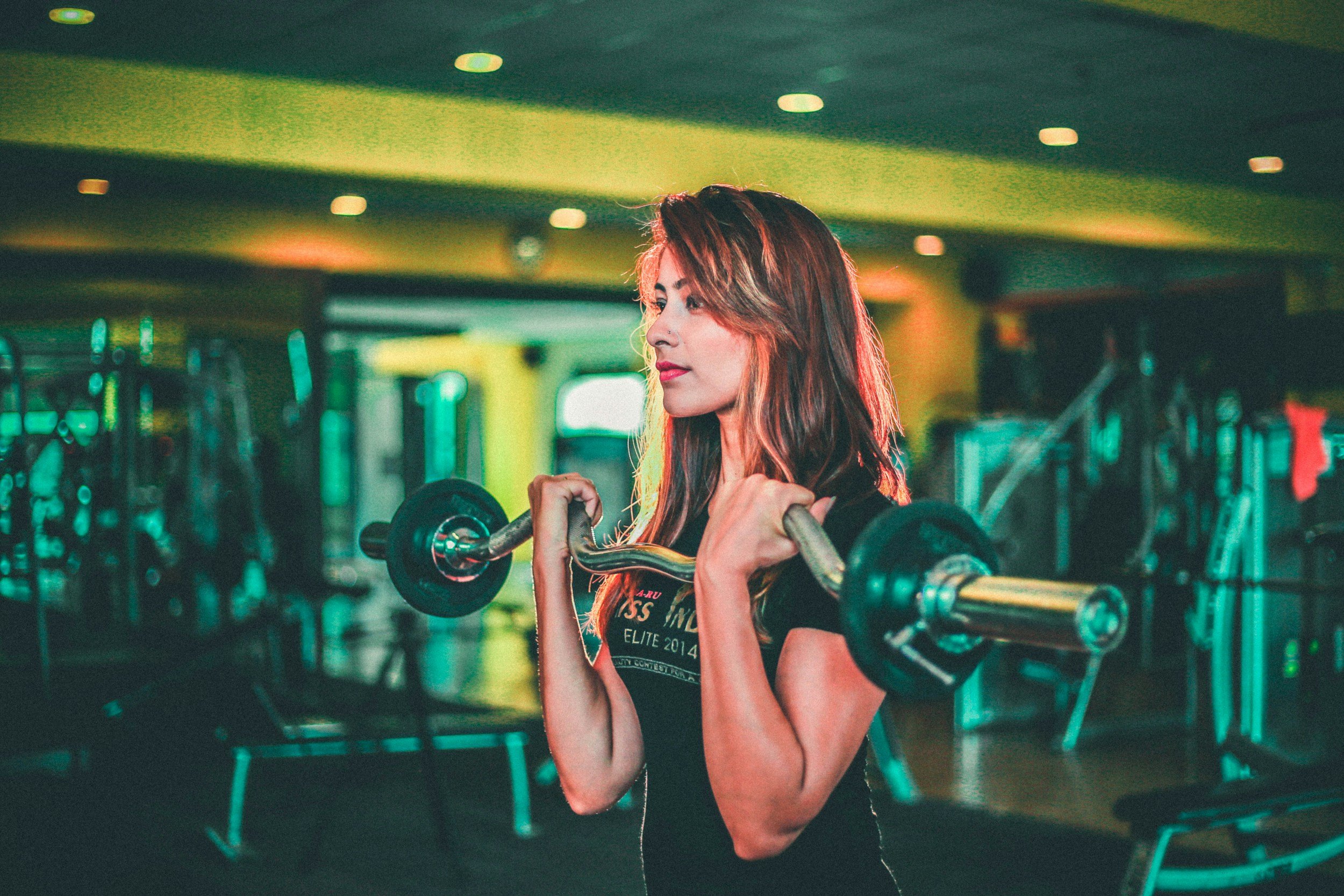
New Year, New Strength: A 12-Week Lifting Plan for Women 30+
New Year, New Strength: A 12-Week Lifting Plan for Women 30+
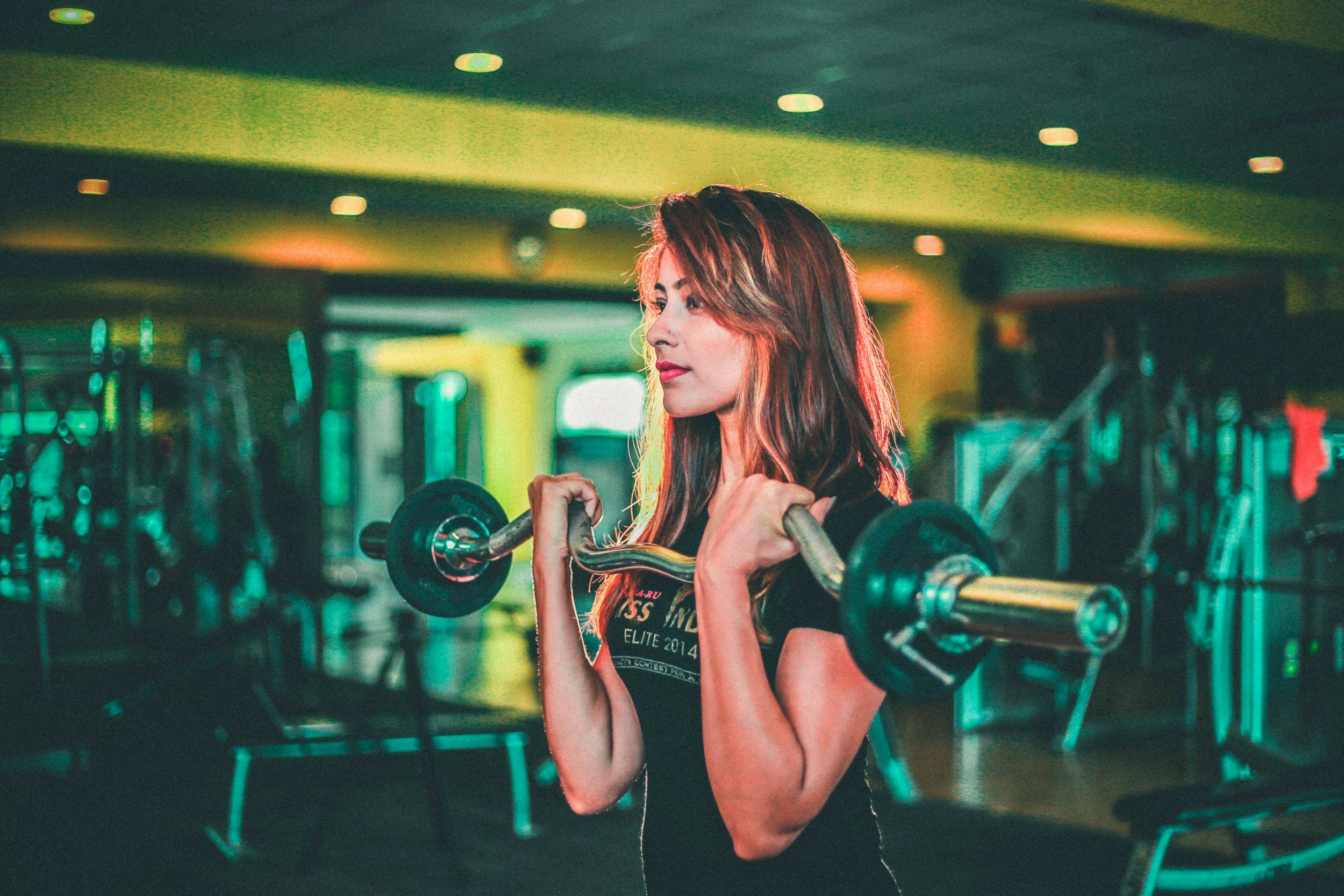
This Year, Focus on Getting Strong — Not Just Smaller
Forget crash diets and endless cardio. This year is about strength, confidence, and sustainable change.
For women over 30, strength training is the key to not only reshaping your body, but also boosting metabolism, improving bone density, and balancing hormones.
If you’ve ever felt intimidated by the weights section or unsure where to start, this 12-week beginner strength training plan will take away the guesswork.
1. Why Strength Training is Essential After 30
As we age, we naturally lose muscle, around 1-2 % yearly after 35 and can go up to 3% yearly after 60 accordingly to the Harvard Medical school.
That means our metabolism slows, joints stiffen, and fat becomes easier to gain.
But here’s the fix: lifting weights reverses that trend.
It boosts metabolism, tones your body, and strengthens bones especially important for women heading into their 40s and beyond.
2. The 12-Week Plan Overview
This plan is divided into three 4-week phases that progressively build strength and confidence.
Phase 1 (Weeks 1–4): Learn the Moves
Goal: Build form and consistency
3 full-body sessions per week
Focus on compound lifts (squats, pushups, rows)
Reps: 10–12 | Sets: 3 | Rest: 45–60 sec
Sample workout:
Goblet Squat
Dumbbell Shoulder Press
Bent-over Row
Glute Bridge
Plank (3 x 30 sec)
Phase 2 (Weeks 5–8): Build Strength
Goal: Increase load and intensity
4 workouts per week (upper/lower split)
Reps: 8–10 | Sets: 4 | Rest: 60–90 sec
Add: Dumbbell deadlifts, step-ups, and incline pushups.
Phase 3 (Weeks 9–12): Define and Progress
Goal: Challenge your muscles with progressive overload
Track weights each week and add small increases
Add tempo work (3-second lowers), drop sets, and short finishers
3. What Equipment You’ll Need
You don’t need a full gym. Start with:
A pair of adjustable dumbbells
Resistance bands
A bench or step
A yoga mat
Optional: A barbell or cable machine as you progress.
4. Nutrition for Strength and Fat Loss
Pair your workouts with smart nutrition:
Prioritize protein at every meal (aim for ~0.8–1g per pound of body weight).
Stay hydrated, aim for 2–3 liters of water daily.
Focus on whole foods and fiber for energy and digestion.
5. Track Your Progress
Use progress photos, journal entries, or a spreadsheet.
Celebrate non-scale wins: strength increases, improved posture, and better energy.
Final Takeaway
This year, skip the restrictive plans.
Focus on strength, not punishment , and watch your body transform in the process😘.

End of the Year Reflection: How to Set Fitness Goals That Stick in Your 30s
End of the Year Reflection: How to Set Fitness Goals That Stick in Your 30s

Why Most Fitness Goals Fail (and How to Fix That)
Every January, gyms fill up with motivated women promising that this will be the year they finally get fit.
But by March, many of those goals fade away — not from lack of willpower, but because the goals weren’t built to fit real life after 30.
As women, our bodies, hormones, and responsibilities shift. Setting goals that actually stick means combining smart strategy, self-compassion, and structure — not unrealistic expectations.
1. Reflect Before You Reset
Before setting new goals, look back on the year with honesty — not judgment.
Ask yourself:
What fitness habits did I actually enjoy?
Which routines were impossible to maintain?
How did my body feel (energy, strength, recovery)?
Reflection reveals patterns. If a goal didn’t work, it wasn’t a failure — it was feedback.
2. Set “Behavior Goals,” Not Just “Outcome Goals”
Instead of saying “I want to lose 10 pounds,” focus on actions that create that result:
“I’ll strength train 3x per week.”
“I’ll prep protein-rich meals on Sundays.”
“I’ll walk 8,000 steps most days.”
Behavior goals are sustainable, trackable, and empowering — perfect for women balancing careers, kids, and self-care.
3. Use the SMART Framework (but Make It Personal)
SMART = Specific, Measurable, Achievable, Relevant, Time-bound.
But go one step further: make it emotionally connected.
Ask why you want it. “I want to feel confident in my body again.” “I want more energy for my kids.”
When your goal matters to your heart, it sticks longer than numbers ever will.
4. Plan for Obstacles — Not Just Motivation
Motivation fades. Systems last.
Schedule workouts like appointments.
Keep a “Plan B” (e.g., a 20-minute home workout if you miss the gym).
Build a “recovery week” every 6–8 weeks.
Women over 30 thrive on consistency — not perfection.
5. Celebrate Small Wins Monthly
Tracking progress helps build momentum:
Notice your strength increasing.
Clothes fitting differently.
More energy during the day.
Progress photos, journaling, or a “habit tracker” can help visualize success.
Final Takeaway
As you head into the new year, ditch the all-or-nothing mindset.
Set fitness goals that fit your real life — ones that empower you instead of drain you.
You’ll not only see results, but you’ll actually enjoy the process.

Food Swaps & Holiday Strategy: Enjoy the Holidays Without Gaining Weight
Food Swaps & Holiday Strategy: Enjoy the Holidays Without Gaining Weight

Intro: Why the Holidays Don’t Have to Derail Your Progress
The holidays are filled with comfort food, parties, and desserts ,and for women over 30 trying to lose weight or maintain results, that can feel like a minefield.
Here’s the good news: you can enjoy your favorite foods, stay social, and still stay on track with a few smart holiday food swaps and mindset tweaks.
Let’s walk through how to celebrate without guilt — or the post-holiday bloat .
1. Focus on Addition, Not Restriction
Instead of cutting everything “bad,” focus on adding healthy foods that balance out your plate:
- Fill half your plate with protein and veggies first — turkey, salmon, roasted greens.
- Add fiber-rich sides (like roasted sweet potatoes or lentil salad) to keep you full longer.
- Sip water or sparkling water between drinks to curb over-snacking.
Why it works: protein and fiber balance blood sugar and reduce cravings — key for women over 30 whose metabolism naturally slows slightly.
2. Simple Holiday Food Swaps That Make a Big Difference
You don’t need to eat “diet food.” Small swaps add up!
Mashed potatoes + butter → Mashed cauliflower + Greek yogurt (lower in calories, higher in protein)
Eggnog → Almond milk chai or protein hot cocoa (cuts sugar, adds protein)
Stuffing with white bread → Whole-grain stuffing with veggies (adds fiber and nutrients)
Cheese dip → Greek yogurt ranch or hummus (adds probiotics and protein)
3. Manage Portions — Without Counting Every Bite
Try the “one plate rule”: choose your favorites, fill one plate mindfully, then step away from the food table. You’ll enjoy your meal without the constant grazing that adds hundreds of invisible calories.
Pro tip: Slow down your eating — it takes about 20 minutes for fullness signals to reach your brain.
4. Keep Moving — Even If It’s Just Walking
You don’t need to crush a 90-minute workout to balance out holiday eating.
A 30-minute strength session or a brisk walk after meals helps stabilize blood sugar and digestion.
Try this:
- 10 squats, 10 pushups, 10 lunges (3 rounds)
- 15–20 minutes of walking after dinner
- A morning mini workout before events (to boost energy)
5. Reset Quickly If You Overindulge
Keep in mind that one big meal doesn’t ruin your progress !
Get back to your normal meals, stay hydrated, and move your body.
Avoid the “I’ll start next Monday” trap.
Final Takeaway
The goal isn’t perfection — it’s balance. With these healthy holiday tips for weight loss, you can fully enjoy the season while feeling strong and in control.
Home Gym Essentials for Women 30+: What to Buy (and What Not To)
Home Gym Essentials for Women 30+: What to Buy (and What Not To)
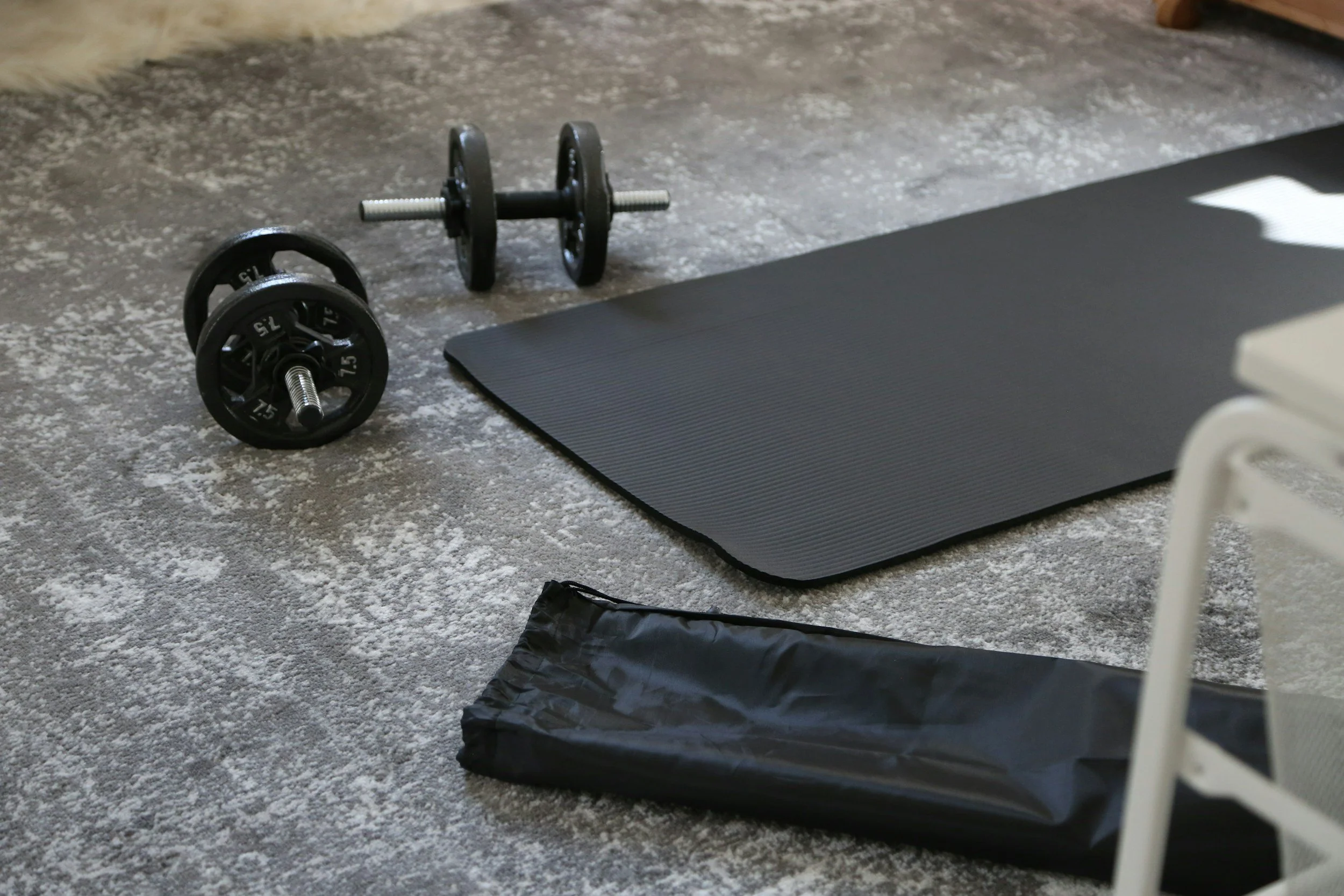
You Don’t Need a Fancy Gym to Get Fit
Building a home gym can feel intimidating, do you really need racks, machines, and hundreds of pounds of weights?
Nope!!!
For most women over 30, the best home gym setup is simple, compact, and affordable, focused on versatility and progression.
Here’s your guide to building a strong, budget-friendly space to crush your strength goals at home.
1. Start with the Basics (Strength First)
If your goal is fat loss and strength after 30, you’ll get the most from resistance-based training.
Start with these essentials:
Adjustable dumbbells (5–50 lbs) – space-saving and versatile.
Mini resistance bands + long loop bands – great for glutes, arms, and warm-ups.
A sturdy mat – protects your joints and floors.
Step or bench – for presses, step-ups, and hip thrusts.
Pro tip: You can build full-body strength with dumbbells and bands alone.
2. Add Cardio Equipment (Optional!)
Choose what fits your space and preferences:
Jump rope – amazing for quick HIIT and coordination.
Foldable treadmill or walking pad – perfect for home offices.
Kettlebell (10–20 lbs) – dynamic cardio + strength combo.
If you’re short on space, you can still burn calories with bodyweight HIIT and walking — no machine needed.
3. Focus on Quality, Not Quantity
Many women overspend on trendy gear that collects dust.
Skip:
Huge cable machines (unless you’re advanced and have space)
Complicated ab gadgets
“Smart” equipment with subscription fees (unless you’ll use them daily)
4. Organize Your Space to Stay Motivated
Your environment affects consistency.
Keep your mat rolled out if possible (a visible reminder to move).
Store bands in a cute basket or wall hooks.
Add a small mirror for form checks and confidence boosts.
Good lighting + a playlist = instant motivation zone.
Even a small corner can become your sanctuary of strength.
5. Upgrade Later as You Progress
Once you’re consistent, consider adding:
Adjustable bench (for more pressing options)
Pull-up bar or TRX system
Barbell + plates (when ready to level up your lifts)
Think of your home gym as an evolving investment in your health — not a one-time purchase.
Final Takeaway
You don’t need an expensive setup to get strong, lean, and confident.
With the right home gym essentials, you’ll have everything you need to build strength from the comfort of your home , and no excuses left to skip workouts 😘.
Mobility, Flexibility & Injury Prevention for Women Lifting Weights
Mobility, Flexibility & Injury Prevention for Women Lifting Weights
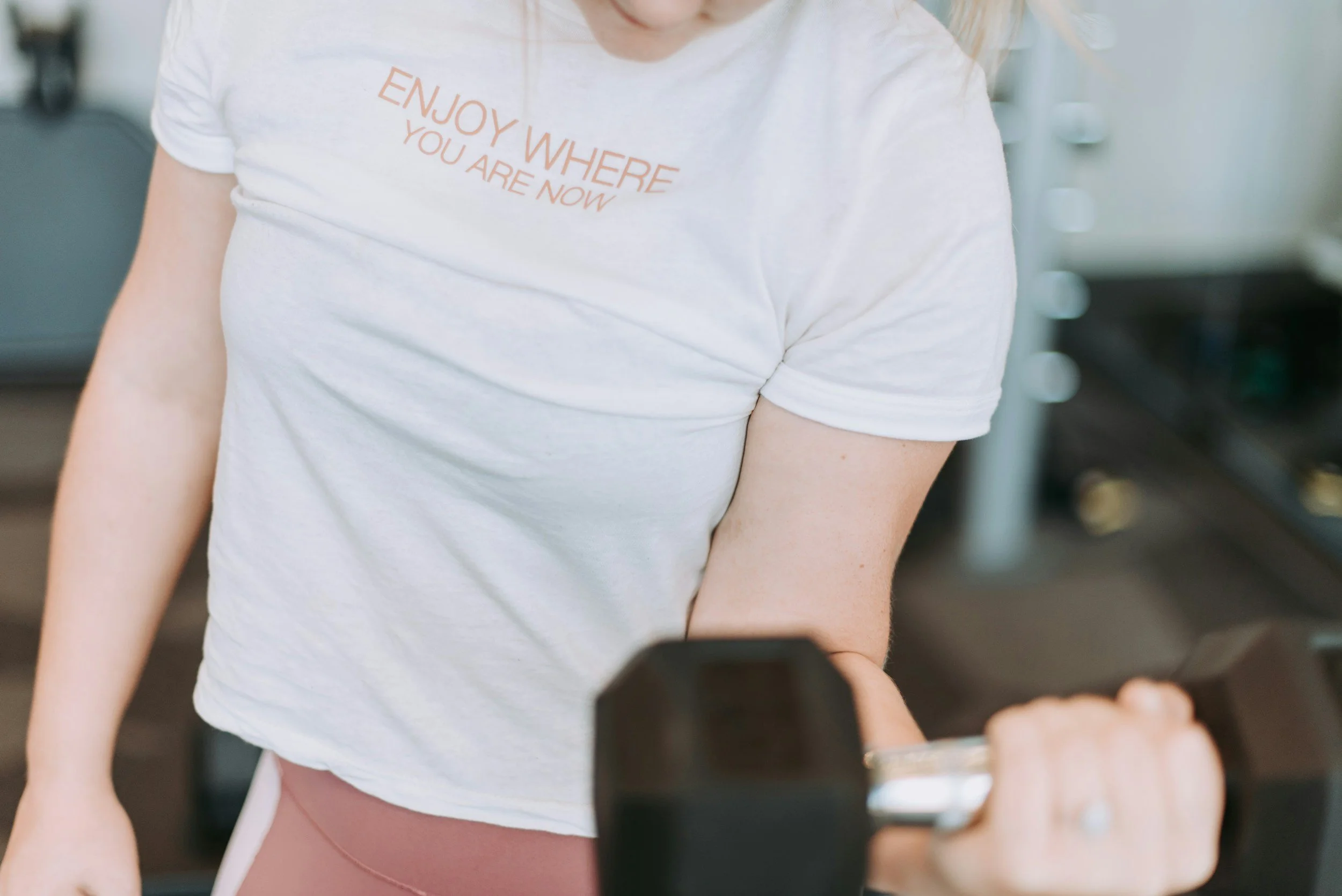
Why Mobility Matters More After 30
Strength training is one of the best ways to lose fat and get stronger after 30, but if your hips, shoulders, or back feel stiff, your progress can stall or even lead to injury.
Mobility and flexibility aren’t just for yoga, they’re the foundation of safe, powerful lifting.
Let’s look at how to move better, lift stronger, and prevent lifting injuries.
1. The Difference Between Mobility and Flexibility
They sound similar but aren’t the same:
- Flexibility = how far your muscles can stretch (passive).
- Mobility = how well your joints move through their full range under control (active).
For women 30+, mobility training improves posture, joint health, and overall strength efficiency , meaning you lift better and FEEL better.
2. The 5-Minute Daily Mobility Routine
Do this before every workout (or even at your desk). It keeps your joints happy and muscles ready to perform.
Warm-up flow:
1. Cat-Cow (30 sec) – opens up the spine and improves back mobility.
2. Hip Circles (10 per side) – prevents hip stiffness from sitting.
3. Shoulder Rolls (20 reps) – increases shoulder flexibility for presses.
4. World’s Greatest Stretch (30 sec each side) – opens hips, hamstrings, and chest.
5. Bodyweight Squat to Reach (10 reps) – activates glutes and thoracic spine.
3. Why Women Over 30 Need to Prioritize Recovery
Hormonal changes in your 30s and 40s can affect joint lubrication, connective tissue elasticity, and muscle recovery. That’s why integrating mobility sessions 2–3 times per week is crucial to keep lifting safely and pain-free.
Tip: Add 10 minutes of gentle stretching post-workout focusing on hips, chest, and hamstrings — the tightest areas for most women.
4. Top Flexibility Moves for Lifters
These stretches target areas that get tight from lifting or desk work:
- Chest opener against wall – improves pressing posture.
- Seated hamstring stretch – supports deadlift mobility.
- Kneeling hip flexor stretch – releases tension from sitting.
- Child’s pose with side reach – loosens lower back and lats.
Hold each for 20–30 seconds, breathing deeply.
5. Prevention Is Strength
Building mobility is like building insurance for your training. It helps prevent lifting injuries, improves form and strength, and keeps your workouts pain-free long term.
Final Takeaway
You can lift strong and stay flexible — especially after 30. Start small: five minutes of movement prep daily builds strength, stability, and confidence in your workouts.